
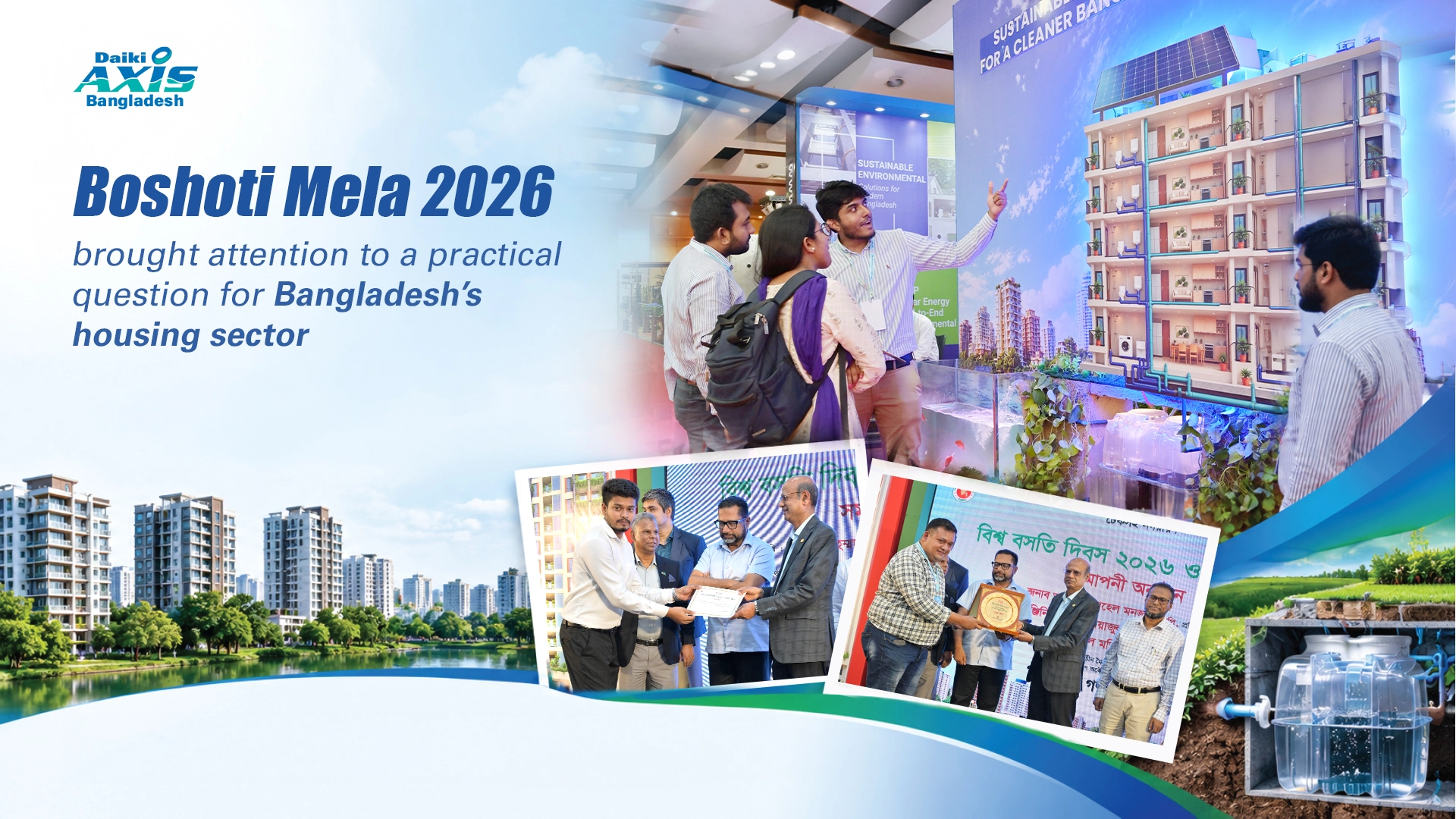
A better living environment depends on more than what we see inside a building. Water supply, sanitation and wastewater management all shape the health and comfort of the people who live and work there, yet what happens to sewage after it leaves a building rarely receives much attention. Daiki Axis Bangladesh at Boshoti Mela 2026 brought that subject into focus by showcasing Japanese STP technology in Bangladesh as part of a wider conversation about housing and better living environments.
Key Takeaways
- The event: Daiki Axis Bangladesh showcased Japanese Johkasou sewage treatment technology at Boshoti Mela 2026. The exhibition ran 5–7 October 2026 at the Bangladesh–China Friendship Conference Centre in Dhaka and marked World Habitat Day.
- What Johkasou is: It is a compact, on-site sewage treatment system developed in Japan. It treats domestic wastewater close to where it is generated, using biological treatment stages.
- Who it suits: Domestic sewage from apartments, homes, hotels, commercial properties and educational institutions, after a site-specific assessment.
- Who it does not automatically suit: Hospital (medical) or industrial effluent, which may need separate treatment or pretreatment.
- How a system is chosen: The system is chosen by daily wastewater volume, what’s in the wastewater, and the treated-water quality needed for discharge or reuse. Tank size alone isn’t enough.
- When to plan: At the architectural design stage, before space, pipe levels and plumbing gradients are fixed. An STP can sometimes be added to an existing building after a site assessment.
- After installation: The system needs routine operation, inspection, maintenance and sludge management to keep performing.
- Water reuse: Treated water may be suitable for specified non-potable uses, but only when testing confirms it for that purpose.
- Getting started: Share the project location, building use, expected occupancy, construction status, and any drawings or drainage details.
What Was Boshoti Mela 2026?
Boshoti Mela 2026 was a housing and habitat exhibition held from 5–7 October 2026 at the Bangladesh–China Friendship Conference Centre in Dhaka to mark World Habitat Day. It brought together organizations working across housing, construction, urban planning and related services, which made it a natural setting to discuss the infrastructure that supports a building throughout its life, including sewage treatment
Bringing Wastewater Treatment into the Housing Conversation
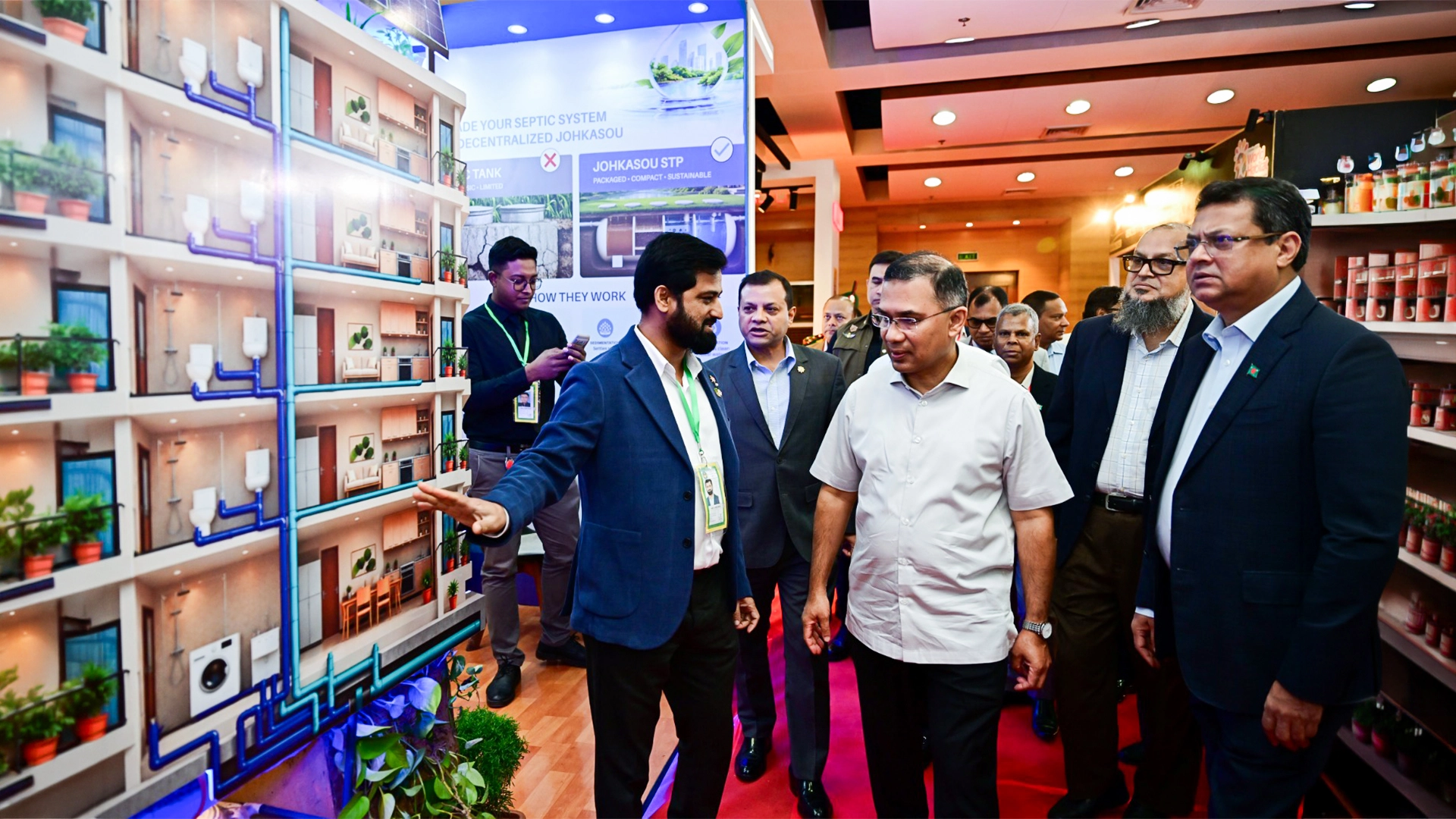
Housing involves more than providing a place to stay. A well-planned property also needs infrastructure that supports safe, comfortable and reliable daily use, and much of that infrastructure remains out of sight. People notice a building’s exterior, rooms and shared spaces, while sewage collection, treatment and discharge stay hidden, even though they affect how the property functions every day.
Every occupied building produces sewage, so its treatment should be considered alongside water supply, drainage and other essential services. Decisions made early in a project influence the space available for a compact sewage treatment plant for limited space. Daiki Axis Bangladesh’s showcase connected the broad idea of better housing with this specific infrastructure need: managing the wastewater generated by daily activities.
What Is a Johkasou Sewage Treatment Plant?
Johkasou is an on-site sewage treatment system developed in Japan. It treats domestic wastewater close to where it is generated, which makes it a highly effective decentralized wastewater treatment system. Domestic wastewater can include flows from toilets, bathrooms, washbasins, laundry and kitchens, depending on the system’s design and any necessary pretreatment. Johkasou systems use a combination of treatment stages, including biological processes in which microorganisms help break down organic pollutants.
The treatment arrangement varies by model and project requirements, so a suitable packaged sewage treatment plant in Bangladesh must be selected according to the wastewater volume, its characteristics and the treated-water quality required. The central idea is simple: wastewater needs treatment before it reaches its intended discharge or reuse destination. For property owners, the practical question is how a treatment system fits the building’s actual needs in terms of capacity, installation conditions, operation and maintenance.
From Daiki Axis Bangladesh at Boshoti Mela 2026 to Meaningful Conversation
An exhibition booth gives people a place to discover a reliable STP plant supplier in Bangladesh. Daiki Axis Bangladesh at Boshoti Mela 2026, the booth concept considered visibility from two sides and included an interior seating arrangement, which supported both a first introduction to the brand and more detailed conversations about its wastewater treatment offering.
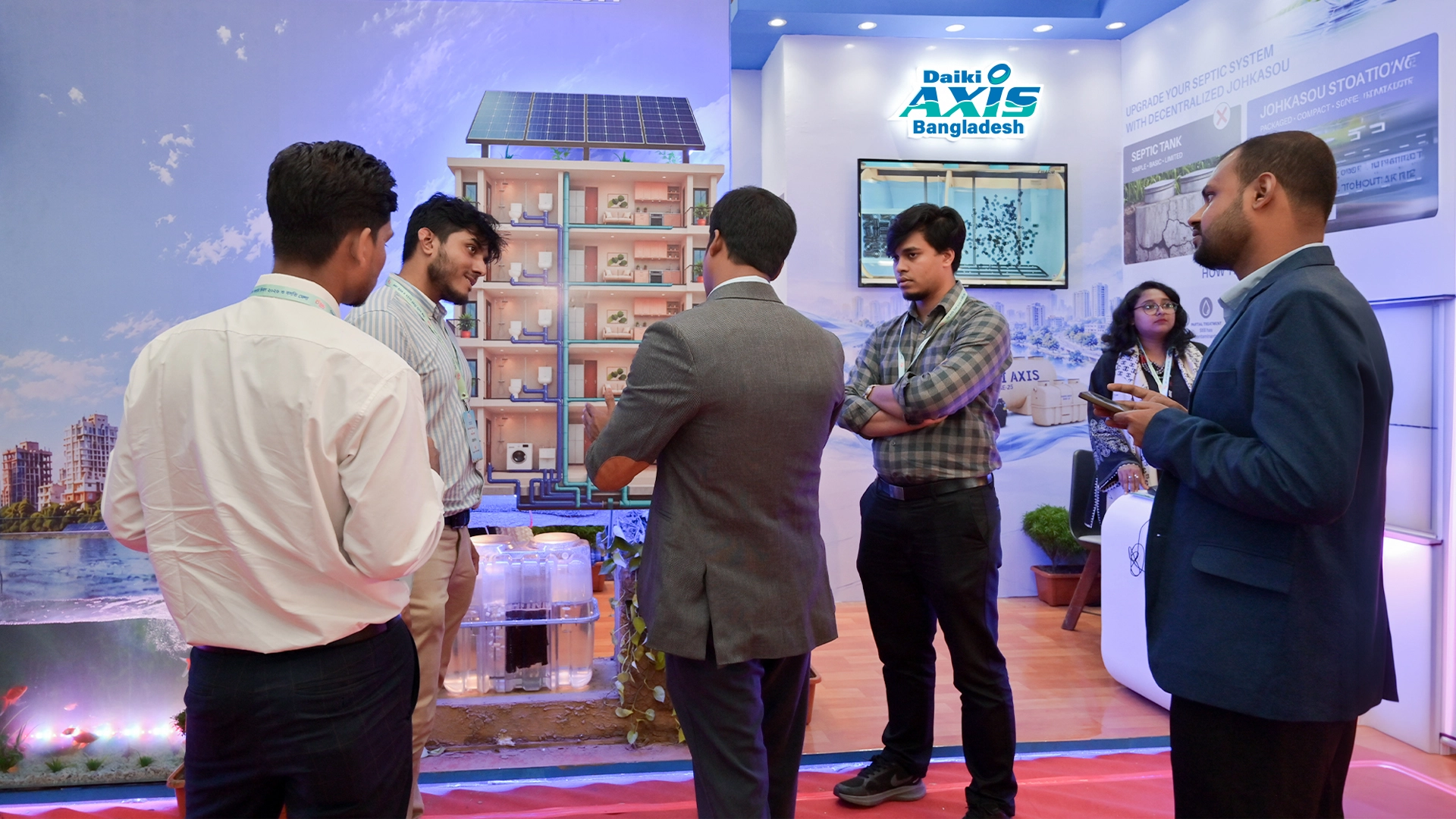
Technical products become easier to understand when the conversation begins with a familiar need. Instead of opening with unfamiliar terminology, a discussion about a Johkasou STP in Bangladesh can start with a home, apartment building, hotel or commercial property that the visitor already understands. Building type, expected occupancy, daily activities and available space all influence treatment requirements, which explains why selecting a system involves more than choosing a tank size.
Questions about installation, servicing and suitability are important because they reveal what a visitor needs to understand before considering the next step. Clear communication also means explaining where more information is required. An exhibition conversation can introduce a solution, but an STP site assessment and technical review .
Wastewater Treatment Solutions for Different Properties
An apartment building and a hotel may have very different wastewater patterns, because occupancy, hours of use, kitchen activity and daily water consumption all influence treatment requirements. Daiki Axis Bangladesh’s Johkasou solutions are relevant to domestic sewage applications across residential buildings, commercial properties, hotels, educational institutions and other facilities, and each project requires an assessment before a system is recommended. Whether you need an STP for residential buildings in Bangladesh or a sewage treatment plant for hotels and resorts, the solution must match the environment.
For hospitals and industrial premises, the wastewater source needs particular attention. When evaluating domestic sewage vs industrial effluent treatment, it is crucial to remember that domestic sewage must be distinguished from specialized medical or industrial effluent, which may require separate treatment or pretreatment.
A domestic sewage treatment plant should never be assumed suitable for every discharge produced at a site, and this project-specific approach helps connect technology selection with practical operating conditions.
Planning a Sewage Treatment Plant in Bangladesh
For developers and property owners considering a sewage treatment plant in Bangladesh, early planning helps identify installation requirements before construction decisions become difficult to change.
Proper STP design considerations in Bangladesh should evaluate expected occupancy, estimated sewage flow, available space, pipe levels, electrical supply and access for servicing, as well as the intended discharge or reuse arrangement.
When looking at adding an STP to an existing building in Bangladesh, a site assessment helps determine how a treatment system could connect to the current drainage network, and available installation space and maintenance access become especially important when evaluating an upgrade.
Understanding these considerations and exploring the overall sewage treatment plant price in Bangladesh can also change the questions owners ask their project teams. Instead of discussing sewage management only when a problem appears, they can include it in the property’s infrastructure planning from the start.
Responsible Operation and Water Reuse
Selecting equipment is only one part of wastewater management. Once a system is installed, it needs appropriate operation, routine inspection, maintenance and sludge management to continue performing as intended.
Water reuse requires equal care. Depending on the treatment achieved and applicable requirements, treated water may be suitable for specified non-potable water reuse in Bangladesh.
However, any reuse should be assessed for its intended application and supported by appropriate testing, and treated water should not automatically be described as safe for every use. For building owners, the priority is a clear plan: understand the wastewater being generated, select an appropriate treatment process and verify its performance during operation.
Building Wastewater Awareness Beyond Boshoti Mela
Daiki Axis Bangladesh at Boshoti Mela 2026 placed sewage treatment within the wider conversation about better buildings and communities. It showed why wastewater infrastructure deserves attention when properties are planned, developed or upgraded. The lasting message is practical: understand where your wastewater goes, consider suitable treatment and plan for the system’s ongoing care.
What Information Is Needed to Start an STP Assessment?
For anyone considering an STP, you need to share-
1. Project location.
2. Building use (residential, hotel, commercial, institutional, etc.).
3. Expected occupancy.
4. Construction status (new build, under construction or existing).
5. Available drawings and details of the existing drainage arrangement (if any).
Ready to Integrate Japanese Johkasou Technology Into Your Next Project?
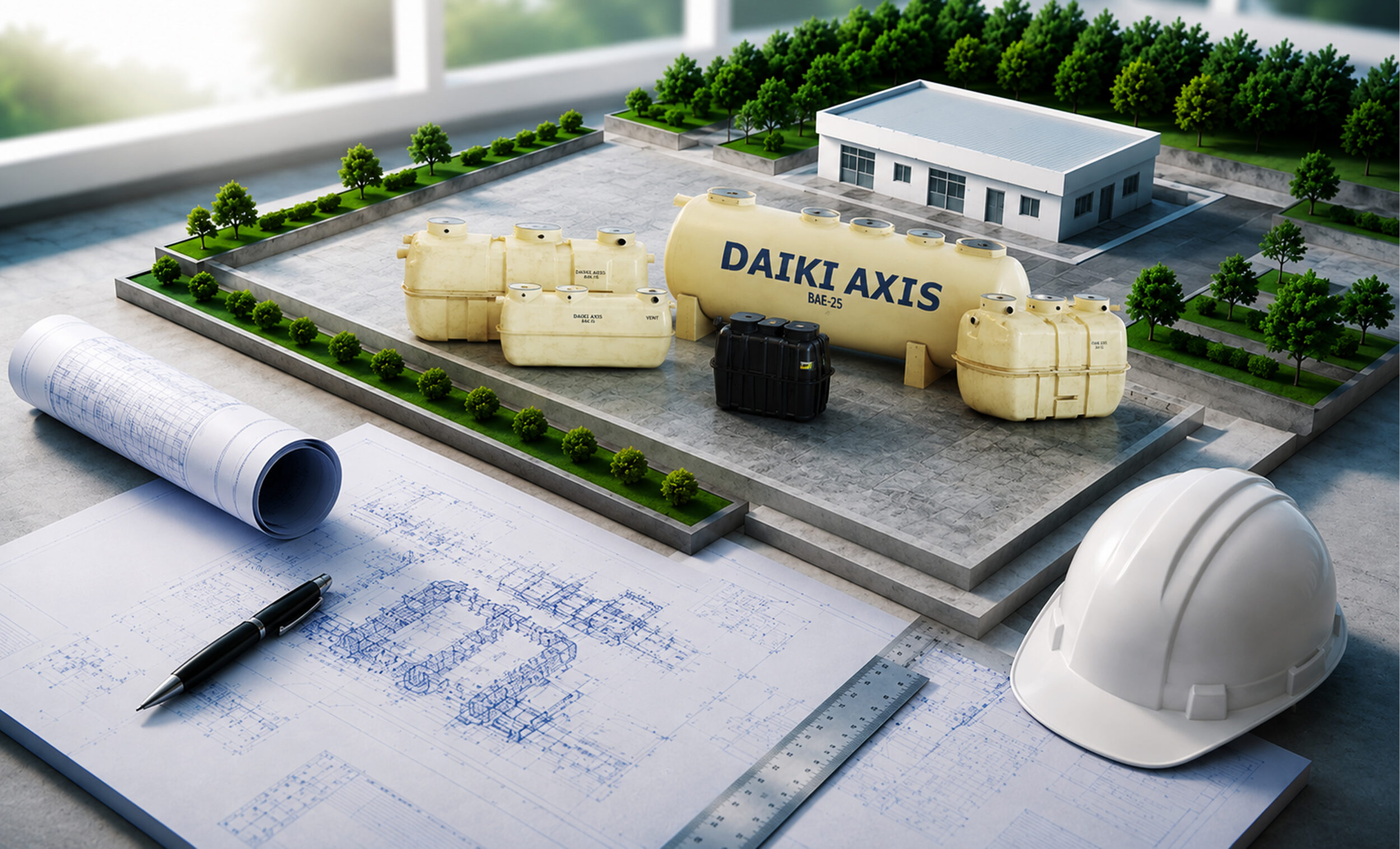
Following Daiki Axis Bangladesh’s showcase at Boshoti Mela 2026, the pathway to sustainable wastewater management in Bangladesh is clearer than ever. Planning a new residential property or upgrading an existing commercial sewage system requires precision, early technical alignment, and expert execution. Contact today or call us directly at +8801958063200 to discuss your specific site requirements and arrange a comprehensive technical assessment for a customized Johkasou sewage treatment plant solution. Other details-
- Email: info@daiki-axisbd.com
- Office: House 15A, Road 35, Gulshan-2, Dhaka 1212, Bangladesh
Schedule Your Site Assessment Today.
Frequently Asked Questions
Why did Daiki Axis Bangladesh participate in Boshoti Mela 2026?
Daiki Axis Bangladesh joined Boshoti Mela 2026 to showcase Japanese Johkasou STP technology and highlight decentralized wastewater treatment as a vital part of modern housing development.
What key solutions did Daiki Axis highlight at Boshoti Mela 2026 for developers?
Daiki Axis demonstrated compact, space-saving Johkasou systems designed for on-site domestic sewage treatment and safe water reuse in residential and commercial properties.
What is Johkasou?
Johkasou is an on-site sewage treatment system developed in Japan. It treats domestic wastewater close to where it is generated, using multiple treatment stages that include biological processes.
Which buildings can use a Johkasou system?
Johkasou systems are designed for domestic sewage and can be relevant to residential buildings, commercial properties, hotels, educational institutions and similar facilities, subject to a project-specific assessment.
Can a Johkasou system treat hospital or industrial wastewater?
A domestic sewage system should not be assumed suitable for specialised medical or industrial effluent, which may require separate treatment or pretreatment.
Can treated water be reused?
Treated water may be suitable for specified non-potable uses, depending on the treatment achieved and applicable requirements. Any reuse should be supported by appropriate testing.
Can an STP be added to an existing building?
It may be possible, but a site assessment is needed to check available space, drainage connections and maintenance access.