
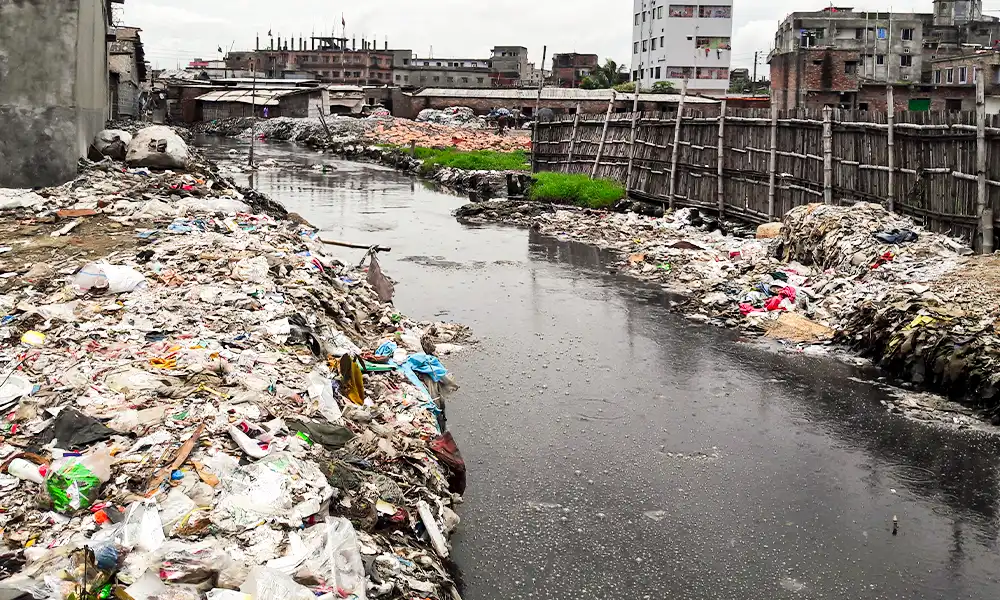
Bangladesh has a big population, and more people means more waste. When sewage is not treated properly, it can pollute rivers, lakes, and even drinking water. This can cause serious health problems and harm the environment. That is why a sewage treatment plant important to keep water clean and safe.
The Importance of STP in Bangladesh
Sewage treatment plants (STPs) help clean dirty water before it goes back into the environment. Here are some reasons why STPs are needed:
1. Stop Water Pollution
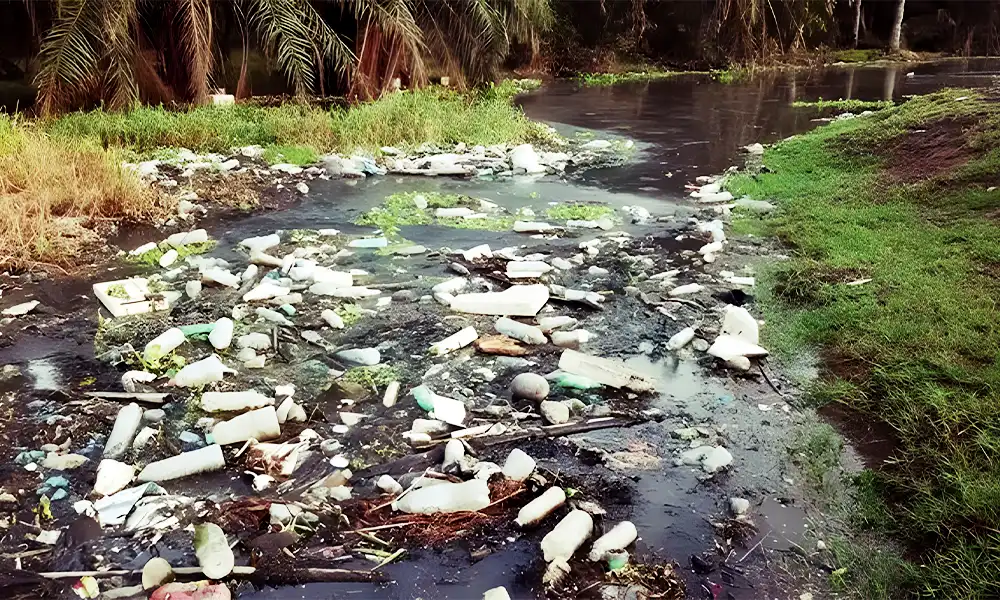
When wastewater goes into rivers without treatment, it carries bacteria, viruses, and harmful chemicals. This can make people sick with diseases like cholera and diarrhea. STPs clean the water so it does not harm nature or human health.
2. Provide Safe Water
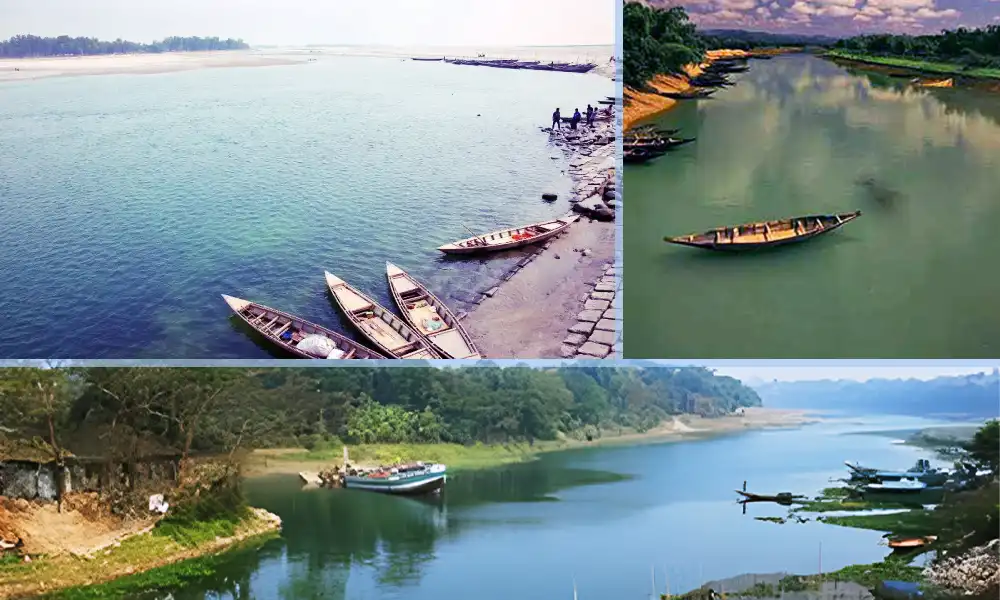
Bangladesh needs clean water for drinking, farming, and industry. A sewage treatment plant helps recycle water so it can be used again safely. This reduces water waste and protects natural water sources.
3. Keep Cities Clean
Cities in Bangladesh are growing fast. Without proper wastewater treatment, sewage can cause bad smells, dirty streets, and unhealthy conditions. STPs help keep cities clean and livable by managing waste properly.
4. Protect the Environment
Many modern wastewater treatment solutions focus on protecting nature. Daiki Axis Bangladesh uses Johkasou technology, which is an eco-friendly way to clean sewage. It also produces very little sludge, making it a sludge-free STP solution. This means less waste and a cleaner environment.
5. Follow Government Rules
The government of Bangladesh has strict laws to protect water from pollution. Businesses, factories, and housing complexes must use STPs to follow these rules. Installing a good STP helps businesses avoid fines and keeps the country’s water sources safe.
How Does Daiki Axis Bangladesh Help with Effective STP Solutions?
Daiki Axis Bangladesh is a trusted STP supplier that provides sustainable and eco-friendly sewage treatment solutions. The company uses Johkasou technology, which is compact, long-lasting, and easy to maintain.
Key Benefits of Daiki Axis Bangladesh’s STPs:
- Efficient Wastewater Treatment: Removes harmful contaminants and purifies water effectively.
- Sludge-Free Technology: Reduces sludge production, minimizing disposal challenges.
- Compact and Durable: Ideal for residential, commercial, and industrial applications.
- Eco-Friendly: Contributes to environmental conservation and sustainability.
- Cost-effective: reducing long-term maintenance and operational costs.
Conclusion
Sewage treatment plants are important for keeping Bangladesh’s water clean and safe. Without them, pollution can spread and make people sick. Daiki Axis Bangladesh is helping solve this problem with its Johkasou technology, providing a sludge-free and eco-friendly wastewater treatment solution. Investing in a good STP is a smart choice for businesses, communities, and the future of Bangladesh.
Contact with us today to find out how our smart wastewater solutions can work for you. For reliable, cost-effective, and eco-friendly sewage treatment, Daiki Axis Bangladesh is a trusted partner. Let’s work together for a cleaner, more sustainable future in Bangladesh!
The river pollution point is the heart of this — when untreated sewage reaches rivers, it carries bacteria and chemicals that harm both people and fish, and the damage compounds downstream. The Johkasou system is a good fit for dense cities because it is compact and produces very little sludge, which matters when land is scarce and sludge disposal is a problem on its own. Government rules are the other lever here: when businesses face real fines for discharging untreated waste, installing a plant stops being optional and becomes the cheaper choice. Reusing treated water for farming and industry is the next step, since it cuts fresh-water demand while keeping rivers clean.
Thank you for sharing such a thoughtful perspective—you summed up the entire case for decentralized wastewater treatment in four points. Stopping untreated sewage at the source is the only way to prevent downstream river pollution from compounding, and compact, low-sludge systems like Johkasou make that realistic even in dense cities where land is scarce and sludge disposal is difficult.
You are also spot-on about regulation and reuse working hand in hand. Once environmental compliance is enforced, installing a properly sized STP from the start becomes a smart financial decision rather than an afterthought. Pairing that with safe reuse of treated water for landscaping, flushing, agriculture, or industrial cooling closes the loop—cutting freshwater demand while keeping our rivers clean. Appreciate you reading and adding to the discussion!